

If you are considering upgrading your heating system, understanding how central heating installation works is an important first step. A well-designed system does more than keep a home warm during winter. It can improve energy efficiency, reduce ongoing costs and provide more consistent comfort throughout the year.
In a coastal area like Hove, properties vary widely. Victorian terraces, converted flats and newer developments all have different heating requirements. Factors such as insulation, layout and exposure to sea air can all influence how well a system performs, which is why installations are rarely one-size-fits-all.
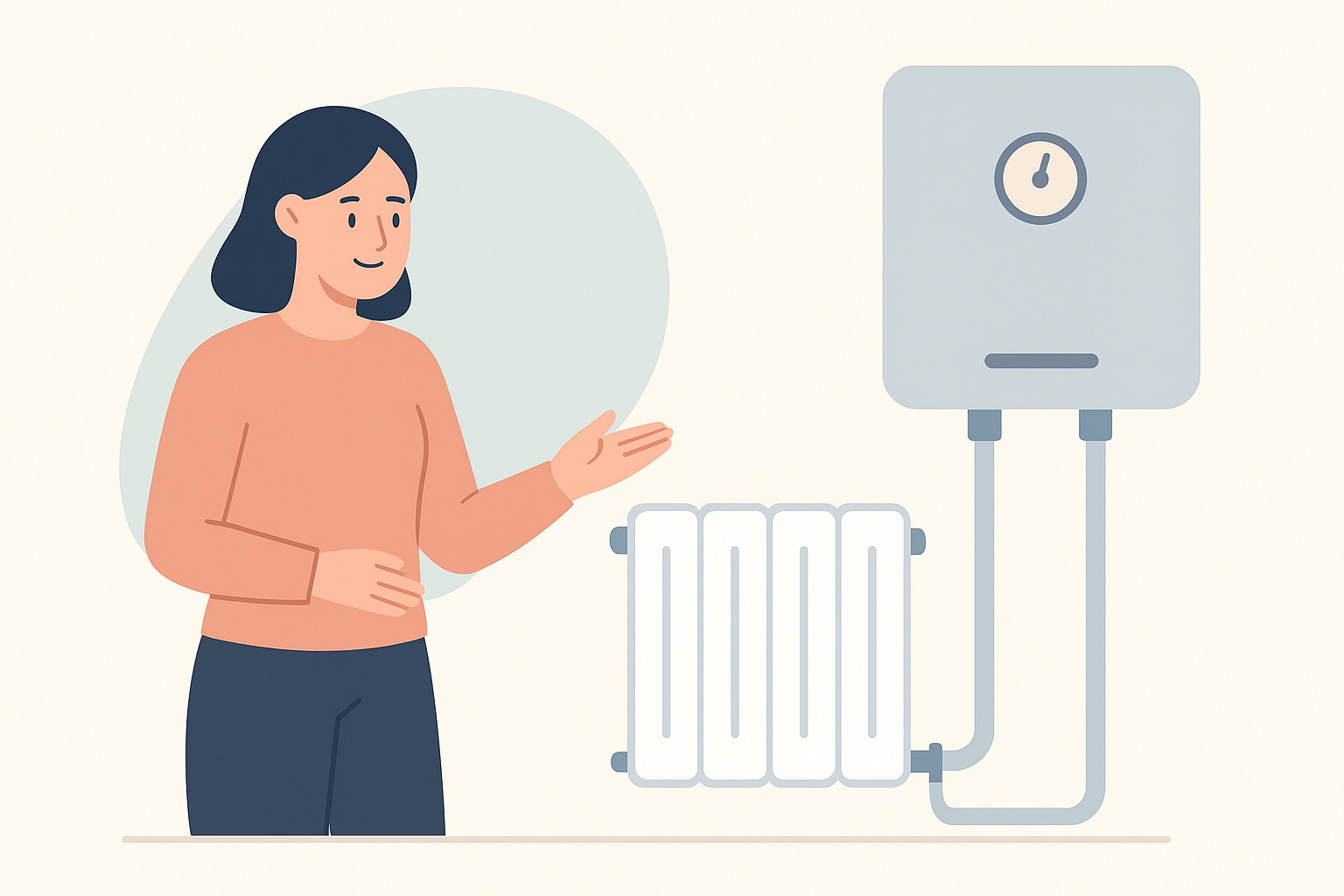
Signs You May Need a New Central Heating System
Many homeowners only think about replacing their heating when something fails. However, there are often early indicators that a system is no longer performing efficiently.
Rising energy bills
If heating costs have steadily increased without a clear change in usage, it may be due to reduced boiler efficiency. Older systems tend to require more energy to produce the same level of heat.
Uneven heating
Cold spots in radiators, rooms that struggle to warm up or the need for constant thermostat adjustments can suggest the system is not well balanced or correctly sized for the property.
Frequent breakdowns
Regular repairs can become costly over time. In some cases, parts for older boilers are harder to source, which can lead to longer delays and higher maintenance costs.
Outdated systems
Some homes still rely on older conventional setups with tanks and cylinders. While these can still function, modern systems are typically more efficient and easier to control.
Types of Central Heating Systems
The most suitable system depends on the size of the property, hot water demand and available space.
Combi boilers
Combi (combination) boilers are commonly used in flats and smaller homes. They heat water directly from the mains, removing the need for a separate cylinder or tank. This makes them compact and space-efficient.
System boilers
System boilers work with a hot water cylinder but do not require a loft tank. They are often suited to households with higher water usage, as they can supply multiple outlets more reliably.
Conventional boilers
Also known as regular or heat-only boilers, these are often found in older or larger homes. In some cases, retaining this type of system can be practical, particularly where existing pipework is already designed for it.
Smart controls and efficiency features
Modern systems often include programmable thermostats, zoning and app-based controls. These features allow more precise management of heating, which can help reduce energy usage and improve comfort.
What the Installation Process Typically Involves
Central heating installation is usually carried out in stages to ensure the system is correctly designed and safely installed.
Home assessment
A survey of the property helps determine heating requirements. This may include heat loss calculations, checking existing radiators and assessing pipework.
System design
Based on the findings, a suitable boiler type and system layout are selected to match the property and usage needs.
Removal of existing equipment
Old boilers, tanks and outdated pipework may need to be removed or upgraded as part of the process.
Installation
The new system is fitted, including the boiler, radiators and controls. Pipework may be adjusted to improve flow and efficiency.
Testing and commissioning
Once installed, the system is tested, balanced and set up to ensure it operates safely and efficiently.
Benefits of a Well-Installed System
A properly installed central heating system can offer several long-term advantages:
- Improved energy efficiency
- More consistent heating throughout the home
- Lower likelihood of breakdowns
- Compliance with current safety standards
- Greater control over heating and energy use
In coastal locations such as Hove, considerations like corrosion resistance and flue positioning can also play a role in system performance.
Factors That Influence Installation Costs
The cost of installing a central heating system can vary depending on a number of factors:
- Property size and layout
- Type of boiler selected
- Number of radiators required
- Condition of existing pipework
- Complexity of the installation
For example, replacing an existing boiler with a similar model is typically more straightforward than installing a completely new system in a property that does not currently have one.
Final Thoughts
Central heating installation is a significant investment, and the right approach depends on the specific needs of the property. Taking time to understand the different system types, installation process and potential costs can help homeowners make more informed decisions.
In areas like Hove, where housing styles and environmental conditions vary, a tailored approach is often the most effective way to achieve reliable and efficient heating.
If you are based in and thinking about upgrading your heating, now is the time to get proper advice from a local specialist. Contact Glow Zone today for a free central heating installation quote in Hove.