

If you live in Sussex, chances are you’ve noticed limescale around your taps or that white, chalky film on your shower screen. We get a lot of questions about this from homeowners booking plumbing services in Hove or the surrounding areas, usually when a boiler starts making odd noises or the hot water pressure drops.
That build-up is down to hard water, and while it might seem like a minor annoyance at first, over time it can have a real impact on your plumbing system. Whether you own a Victorian terrace in Brighton or manage rental flats in Shoreham, understanding how hard water works and what it does to your pipes and appliances can save you money and hassle down the line.
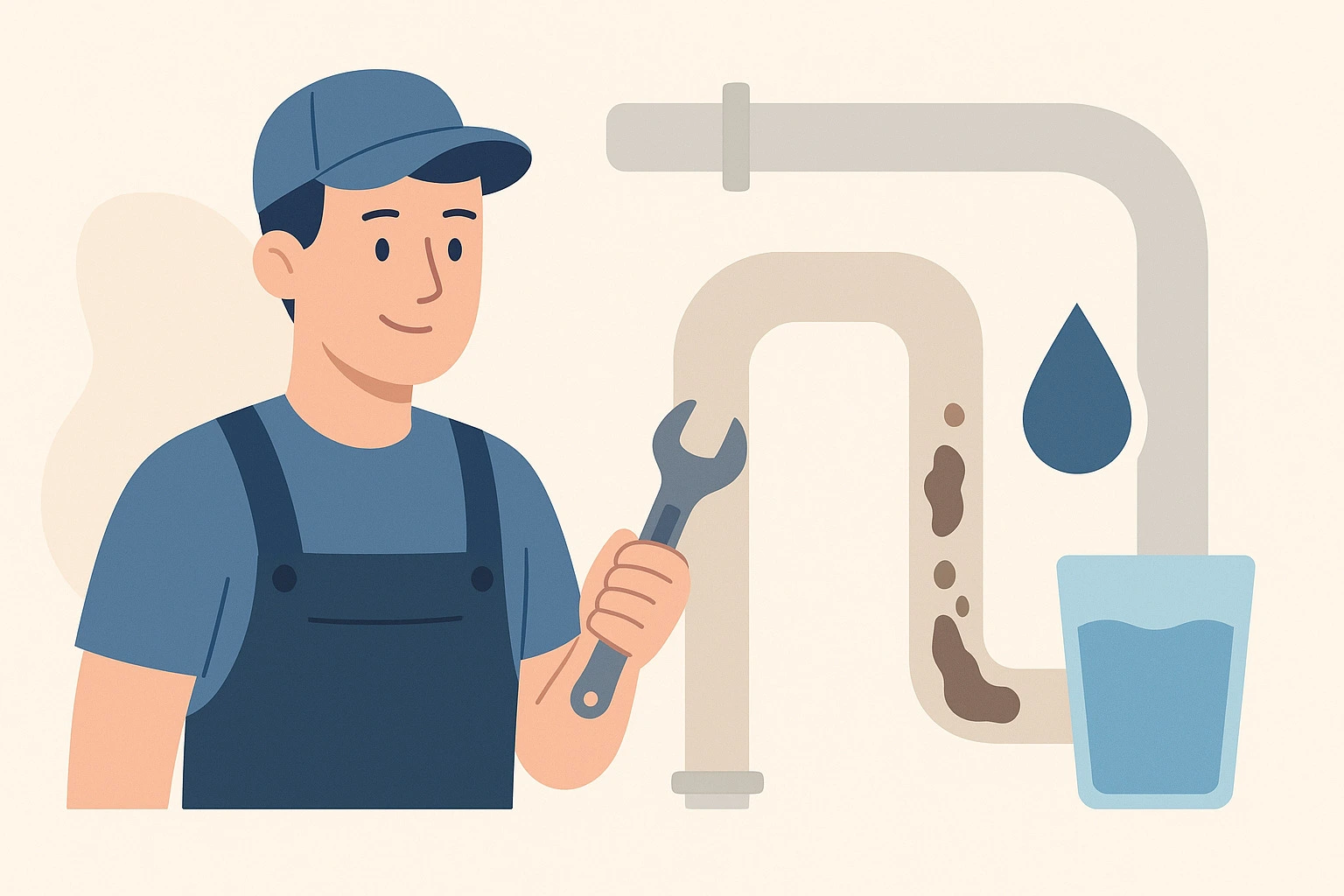
What Causes Hard Water and How It Builds Up in Pipes and Appliances
Hard water contains higher levels of dissolved minerals, mainly calcium and magnesium. Here in Sussex, much of our water passes through chalk and limestone before it reaches our taps. That’s why areas like Brighton and Hove tend to experience harder water than some other parts of the country.
When water is heated, those minerals solidify and form limescale. You’ll see it first on kettles and shower heads, but the same process is happening inside your plumbing system.
Inside pipes and appliances, this scale sticks to surfaces and gradually builds up. In boilers, it settles on the heat exchanger. In cylinders, it collects at the bottom. In narrow pipework, especially older copper pipework we often see in Shoreham properties, it reduces the internal diameter and restricts flow.
The process is slow, which is why many people don’t notice it until something stops working properly. By that point, the damage or inefficiency has often been building for years.
Common Problems Caused by Hard Water in Your Home
Hard water affects more than just how your glasses look after a wash. From a plumbing point of view, we regularly see the same set of issues across Brighton, Hove and Shoreham homes.
Reduced Water Pressure
Limescale narrows the inside of pipes and can clog up smaller components like tap cartridges and shower valves. Customers will often say their shower “just doesn’t feel as powerful as it used to”. In many cases, scale build-up is the culprit.
Noisy Boilers and Reduced Efficiency
If your boiler starts making a rumbling or kettling noise, especially when the heating fires up, that’s often due to limescale on the heat exchanger. The scale creates hot spots, which cause water to boil unevenly.
Beyond the noise, it makes your boiler work harder to heat the same amount of water. That means higher energy bills and unnecessary strain on the system.
Shorter Lifespan for Appliances
Washing machines, dishwashers and boilers all suffer in hard water areas. Heating elements become coated in scale, reducing efficiency and eventually leading to failure. For landlords and property managers, this can mean more frequent call-outs and earlier replacements than expected.
Staining and Everyday Annoyance
Although it’s less dramatic than a broken boiler, constant limescale around taps, on tiles and inside toilets is frustrating. It can also lead to worn finishes on brassware, which we often see in bathroom refurbishments across Brighton properties near the seafront.
How to Reduce Hard Water Damage and Protect Your Plumbing System
You can’t change the local water supply, but there are practical steps you can take to limit the impact on your plumbing.
Install a Water Softener
A properly installed water softener removes calcium and magnesium before the water flows through your system. For larger homes and rental properties in Shoreham or Hove, this can make a noticeable difference to boiler performance and appliance lifespan.
Softened water also reduces soap scum and scaling in bathrooms, which many homeowners appreciate for day to day cleaning.
Use Scale Reducers or Magnetic Filters
While not as comprehensive as a full softener, scale reducers and magnetic filters can help minimise build-up. These are sometimes a good option in smaller properties or flats where space is limited.
Book Regular Boiler Servicing
Annual servicing is especially important in hard water areas. During a service, an engineer can check for early signs of scale, test system performance and flush components where necessary.
If you’re unsure what’s involved, our post on what happens during a boiler service explains what we look at and why it matters.
Powerflushing Older Systems
In properties with older heating systems, particularly some of the larger houses around central Brighton, a powerflush can remove built-up sludge and scale from radiators and pipework. It’s not needed in every case, but where circulation is poor it can significantly improve heat output.
Simple Ongoing Maintenance
Small habits also help:
- Regularly descale shower heads and taps
- Check for early signs of pressure drop
- Keep an eye on unusual boiler noises
- Act quickly if hot water takes longer than usual to heat up
Spotting issues early usually means simpler and less costly solutions.
Hard water is just part of life in Sussex, but ignoring it can lead to inefficient heating, higher bills and avoidable breakdowns. With the right preventative steps and regular maintenance, you can keep your plumbing system running smoothly for years. At Glow Zone, we work with homeowners and property managers across Brighton, Hove and Shoreham to deal with the real day to day effects of hard water on boilers and pipework.
Contact us today to arrange your boiler service or get in touch for a quote on a new boiler and installation.