

If you have ever lifted the toilet lid and watched the water rise a little too high after a flush, you will know that sinking feeling. An overflowing toilet is messy, stressful and always seems to happen at the worst possible time. As providers of plumbing services in Hove, we see this more often than you would think, especially in older terraces and busy family homes.
Overflowing toilets usually do not come out of nowhere. There is nearly always a cause that has been building up for a while. Acting quickly can prevent damage to flooring, ceilings below and even your electrical fittings. Let’s look at the most common reasons this happens and what you can do about it.
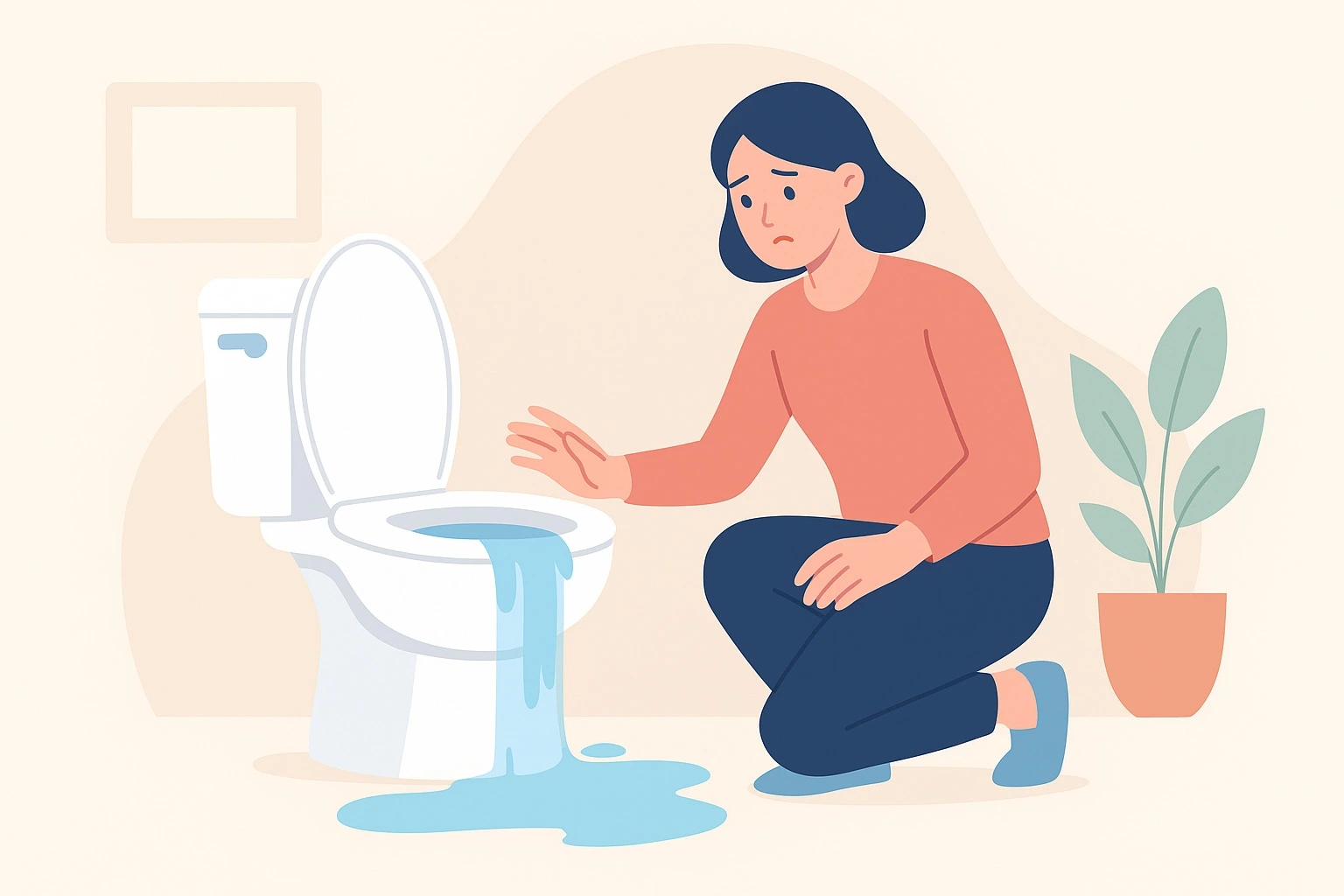
Blocked drains and pipe issues: Identifying and resolving clogs
The number one cause of an overflowing toilet is a blockage somewhere in the waste pipe. Most of the time, that blockage is closer than you think.
Everyday clogs inside the toilet
We often get called out to homes in Brighton where the problem turns out to be too much toilet paper or something that should not have been flushed in the first place. Wet wipes are a big culprit, even the ones labelled as flushable. They do not break down properly and catch on rough spots inside the pipe.
Other common causes include:
- Sanitary products
- Nappies
- Kitchen roll
- Children’s toys accidentally dropped in
If your toilet starts to fill higher than normal after flushing, stop using it straight away. A plunger can sometimes shift a minor blockage. Make sure there is enough water in the bowl to cover the rubber cup, then create a tight seal and pump firmly a few times. Do not keep flushing to “see if it clears” as that is when it usually spills over.
Deeper blockages in the soil pipe
If the plunger does not work, the issue may be further down the pipework. In Shoreham and other coastal areas, we sometimes see scale build-up inside older cast iron pipes. Over time, this narrows the pipe and makes it easier for debris to catch.
Signs the blockage is deeper include:
- Water backing up into the bath or shower
- Gurgling noises after flushing
- Slow drainage across multiple fixtures
At that point, it is best to get proper equipment involved. Drain rods or high pressure jetting can clear the line without damaging it, but they need to be used correctly.
Faulty float mechanisms and fill valves: Common internal faults explained
Not every overflowing toilet is caused by a blockage. Sometimes the problem is inside the cistern.
Stuck or damaged float
Inside your cistern is a float that rises with the water level. When it reaches a set height, it tells the fill valve to stop letting water in. If that float gets stuck or damaged, the water keeps flowing and eventually spills into the overflow pipe or worse, into the bowl.
In some older properties around Hove, we still see ball floats on metal arms. These can corrode or bend. In newer toilets, the float is often part of a compact plastic fill valve which can stick due to limescale.
If you are confident, you can lift the cistern lid and check whether the float is moving freely. Sometimes gently adjusting the arm or cleaning away scale helps. Always turn off the water supply before touching internal parts.
Worn fill valve or flapper
A faulty fill valve may not shut off properly, causing continuous water flow. You might hear a constant hissing sound. A worn flapper or flush valve seal can also cause irregular water levels, which sometimes leads homeowners to keep flushing and unknowingly contribute to an overflow.
Replacement parts are usually inexpensive, but fitting them correctly matters. An ill fitted seal can create more problems than it solves.
When to call a professional plumber: Signs you need expert help
There is no shame in calling for help. We regularly attend emergency calls in Brighton and Shoreham where customers have done the right thing by stopping and picking up the phone.
You should contact a professional if:
- The toilet keeps overflowing despite plunging
- There are signs of water damage on ceilings below
- Multiple drains in your home are backing up
- You suspect a collapsed or cracked external drain
External drain issues are more common than people think, especially where tree roots have found their way into pipe joints. We have lifted plenty of manhole covers in older parts of Hove to find roots blocking the line completely.
If your toilet is overflowing late at night, do not ignore it. It is worth reading why your toilet overflowing can’t wait until morning to understand the risks of leaving it until the next day.
Prevention tips: How to avoid future toilet overflows
Prevention is far easier and cheaper than dealing with water damage.
- Only flush the three Ps: pee, poo and paper
- Avoid using thick or excessive toilet paper
- Have older pipework checked if you live in a period property
- Address slow draining toilets early rather than waiting
If you live in a flat, particularly in central Brighton, remember that your plumbing is often connected to other properties. What goes down your toilet can affect your neighbours and vice versa.
Regular inspections can pick up early signs of scale build-up, worn parts or developing blockages. That small check can prevent a very unpleasant clean-up later on.
Overflowing toilets are never convenient, but they are usually preventable with the right knowledge and a bit of upkeep. If you are unsure or simply want peace of mind, the team at Glow Zone is always happy to help local homeowners and tenants keep their bathrooms working as they should.
Get in touch today to book a professional inspection and keep your plumbing running smoothly