

If you’ve noticed water lingering in the sink after you’ve washed up or your bath taking ages to empty, you’re not alone. Slow drains are one of the most common issues we hear about from homeowners and tenants across the area. It might seem like a small annoyance at first, but it’s often the early sign of a blockage building up somewhere in the pipework.
Many people in Brighton’s older terraces or flats near the seafront put it down to “old pipes”, but the truth is it can happen anywhere. If you’re searching for a plumber in Hove because your sink or bath just won’t clear properly, it helps to understand what usually causes it and what you can do about it.
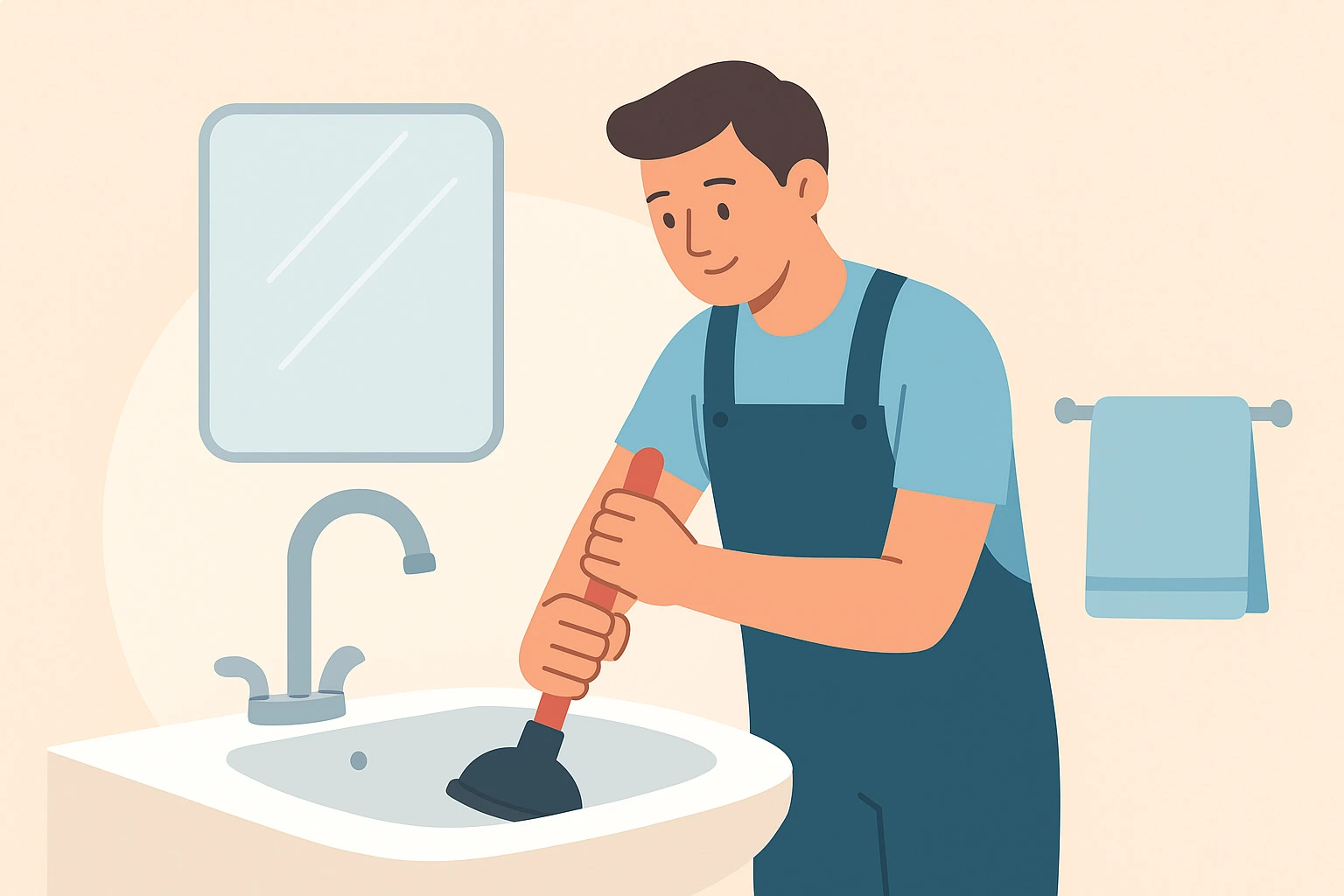
Why slow drains shouldn’t be ignored
A slow drain is rarely just a one off. It’s usually a gradual build up that’s been forming for weeks or even months. Ignore it and you could end up with a complete blockage, unpleasant smells or in worst cases, water backing up onto your floor.
We often get calls from customers in Rottingdean who say, “It’s been gurgling for a while but now it won’t drain at all.” That gurgling sound is trapped air caused by restricted flow. Once it reaches that stage, a plunger at home is unlikely to sort it.
Acting early can save you from more disruption and a bigger repair bill later on.
Common causes of slow draining sinks and baths
Hair and soap build up
In bathroom sinks and baths, the most common culprit is a mix of hair and soap residue. Hair clings to the inside of the pipe while soap forms a sticky coating. Together, they narrow the pipe over time.
This is especially common in family homes where multiple people are using the same shower every day. Even short hair builds up surprisingly quickly.
Grease and food waste
In kitchens, grease is the main problem. It might go down as a liquid when it’s hot, but as it cools inside the pipes it solidifies and sticks to the sides. Add bits of food and you have the perfect blockage forming.
If you’ve recently fitted a waste disposal unit, it’s still important to be careful about what goes down there. Fibrous foods, coffee grounds and fats can all contribute. If you’re considering adding one, have a look at this guide on how to install a waste disposal unit to understand how they work and what they can handle.
Foreign objects
It sounds obvious, but we regularly find things like cotton buds, wipes and even children’s small toys lodged in bathroom waste pipes. Even products labelled “flushable” can cause issues once they hit older pipework in parts of Brighton.
Limescale and older pipework
Hard water in the area can lead to limescale deposits inside pipes. Over time this reduces the internal diameter, meaning water flows more slowly. In some older properties around Kemp Town and parts of Rottingdean, original pipework may already be narrower than modern standards, which makes the issue worse.
Problems further down the system
Sometimes the blockage isn’t directly under your sink or bath at all. It could be further along the waste pipe or even in the main drain outside. Tree roots, cracked pipes or shared drains can all affect how quickly water clears from your home.
How to fix and prevent slow drainage issues
If the water is still draining, just slowly, you may be able to improve things with some basic maintenance.
- Use a sink strainer to catch hair and food debris
- Avoid pouring fats and oils down the sink
- Flush kitchen drains occasionally with hot water and a small amount of washing up liquid
- Clean out plug traps regularly, especially in bathroom basins
A simple plunger can shift minor blockages near the surface. For bath plugs, removing the overflow cover and clearing trapped hair often makes a noticeable difference.
Be cautious with chemical drain cleaners. They can be harsh on pipes, especially older metal ones found in some Brighton properties. We’ve seen cases where repeated use has weakened joints and caused leaks under floors.
When to call a professional plumber
If you’ve tried the basics and the water is still pooling, it’s time to get it properly checked. The same applies if you notice bad smells, repeated blockages or water backing up into another fixture, such as the bath filling when the washing machine drains.
A professional plumber can use proper drain rods or specialist equipment to clear the blockage safely and check for underlying issues. For homes in Brighton with shared drainage systems, this can be particularly important as the problem may not even start within your own property. If you’re based further along the coast, support from a local expert such as a plumber in Rottingdean, ensures someone familiar with the area’s drainage layout is dealing with it.
Left too long, a slow drain can turn into a full blockage and that’s when you risk water damage to cabinets, flooring and ceilings below.
If your sinks or baths are draining slower than they should, don’t wait for it to get worse. Glow Zone works with homeowners and tenants across the local area to diagnose and clear drainage problems properly, not just patch them up.
Get in touch today to arrange a professional drain inspection and get your sinks and baths flowing properly again.