

Most leaks are obvious. A dripping tap, a burst pipe under the sink, water pooling across the kitchen floor. It is the hidden leaks that tend to cause the real trouble. The sort that sit quietly behind walls or under floors while your water bill creeps up and damp patches slowly spread. If you ever find yourself wondering whether you need an emergency plumber Hove because something does not feel right, it is worth knowing the early warning signs.
Across Brighton and Southwick, we see the same issues time and again. A small leak left unnoticed can turn into rotten floorboards, stained ceilings and expensive repair work. Spotting the signs early can save you a great deal of stress and money.
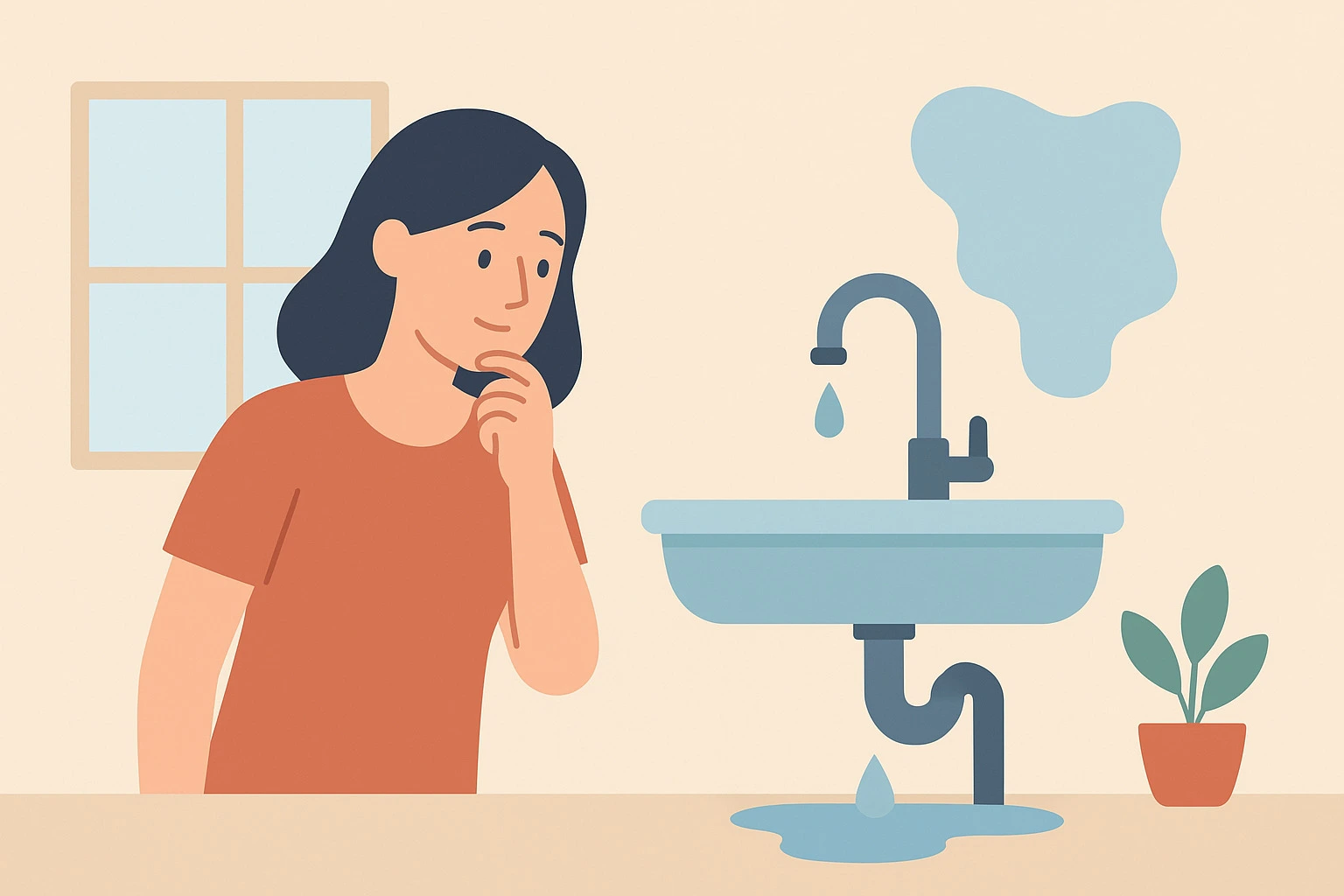
Introduction to hidden water leaks and why they matter
Hidden leaks are exactly what they sound like. Water escaping from pipework that you cannot easily see. This could be under a concrete floor, inside a cavity wall, beneath a bath or even in your loft.
In older properties around Brighton, especially Victorian terraces, pipework often runs beneath timber floors. In newer flats in Southwick, we often find plastic pipes buried in screed. Either way, when those pipes develop a small crack or joint failure, the leak can go unnoticed for weeks.
Water will always find a way. It soaks into plaster, seeps into insulation and slowly damages structural materials. By the time it becomes visible, the repair can be far more involved than it needed to be.
Common signs of a hidden water leak in your home
Unexpectedly high water bills
If your water usage has jumped but your daily routine has not changed, it is often the first clue. We regularly get calls from homeowners who say, “We have not used any more water than usual, so why has the bill doubled?” In many cases, a concealed leak is the answer.
Damp patches or discolouration
Keep an eye out for patches on ceilings, walls or floors that look darker than the surrounding area. They might feel slightly soft to the touch or colder than the rest of the wall.
If you notice staining on a ceiling below a bathroom, it is worth reading this guide on ceiling leak is it a plumbing emergency to understand how urgent the situation might be.
A musty smell that will not go away
Damp has a very distinct smell. If you have cleaned the room and aired it out but there is still a lingering mustiness, trapped moisture behind walls or under floors could be the cause.
Peeling paint or bubbling plaster
Water behind a wall often pushes paint away from the surface. You might notice bubbling, flaking or plaster that looks slightly swollen. This is common in bathrooms where pipes run to showers and basins.
Low water pressure
If your shower suddenly loses pressure or taps seem weaker than usual, water may be escaping somewhere in the system before it reaches the outlet.
Unusual sounds
Hissing, dripping or the sound of running water when no tap is on should not be ignored. Late at night, when the house is quiet, is often the best time to listen for these subtle clues.
Potential damage caused by untreated leaks
Small leaks do not stay small forever. Over time, they can cause:
- Rotting timber joists and floorboards
- Damaged plaster and blown ceilings
- Mould growth which can affect air quality
- Cracked tiles or lifted flooring
- Electrical hazards if water reaches wiring
In a few Brighton properties near the seafront, we have seen leaks combine with salty sea air, speeding up corrosion on metal fittings. What started as a slow drip ended up requiring sections of pipework to be replaced.
Left long enough, insurance claims can become complicated too, especially if the damage is clearly the result of a long term issue rather than a sudden burst.
How to detect and prevent hidden water leaks
There are a few simple checks you can do yourself before calling in a professional.
Check your water meter
Turn off all taps and water using appliances in your home. Then look at your water meter. If the dial is still moving, water is flowing somewhere in the system.
Inspect high risk areas
Regularly look under sinks, around toilets, behind washing machines and around boilers for any signs of moisture. In lofts, check around tanks and pipe joints during cold weather.
Keep an eye on grout and seals
Worn silicone around baths and showers can allow water to seep into walls. Replacing sealant when it starts to fail is a simple way to prevent hidden damage.
Prevention is largely about staying observant. Many customers tell us they noticed a tiny mark months before it turned into a larger problem. Acting early makes all the difference.
When to call a professional plumber
If you have more than one warning sign or you simply feel something is not quite right, it is sensible to get it checked. Leak detection often involves specialist equipment such as acoustic listening devices or thermal imaging, especially when pipes are buried under floors.
Whether you are in Hove, Brighton, Southwick or the surrounding areas, getting a qualified plumber to investigate early can prevent a much bigger repair later on.
At Glow Zone, we regularly help homeowners and tenants track down hidden leaks before they cause serious structural damage. If you are unsure whether that damp patch or rising bill is something to worry about, it is always better to ask.
Contact us today to arrange a professional inspection or get in touch for a quote on repairing your water leak.